01 · BREATH
息
Before the curtain rises, the name waits in darkness.
幕が開く前、名はまだ闇の中にある。
02 · STEP
足
One step carries four centuries onto the stage.
一歩が、四百年を舞台へ運ぶ。
03 · HANAMICHI
花道
Art walks between stage and audience.
舞台と客席のあいだを、芸が歩く。
04 · SHICHISAN
七三
Here, time stops.
ここで、時間が止まる。
05 · MIE
見得
A body makes one instant endure.
一瞬を、永遠にする身体。
06 · KUMADORI
隈
Color makes force visible.
色は、力の流れを可視化する。
07 · ARAGOTO
荒事
Not violence — power shaped into beauty.
荒々しさではない。力を、美へ変える型。
08 · MAWARI
廻
The stage turns. The age changes. The name remains.
舞台が回る。時代が変わる。名は残る。
09 · NARAKU
奈落
The visible stage moves because of what lies below.
見えない場所で、舞台は動いている。
10 · THE NAME
名
A name is not a vessel for preserving the past.
名前は、過去を保存する器ではない。
11 · SHŪMEI
襲
It lives again in a new body.
新しい身体で、その名を生き直す。
12 · THE WORLD
世界
Beyond words, toward the heart of kabuki.
言葉を越えて、歌舞伎の心へ。
13 · BEYOND
先
Beyond four hundred years.
四百年の、その先へ。
七三
SHICHISAN · 73% ALONG THE HANAMICHI
ここで、時間が止まる。HERE, TIME STOPS.
一つの名を、十三人が生きた。THIRTEEN LIVES. ONE LIVING NAME.
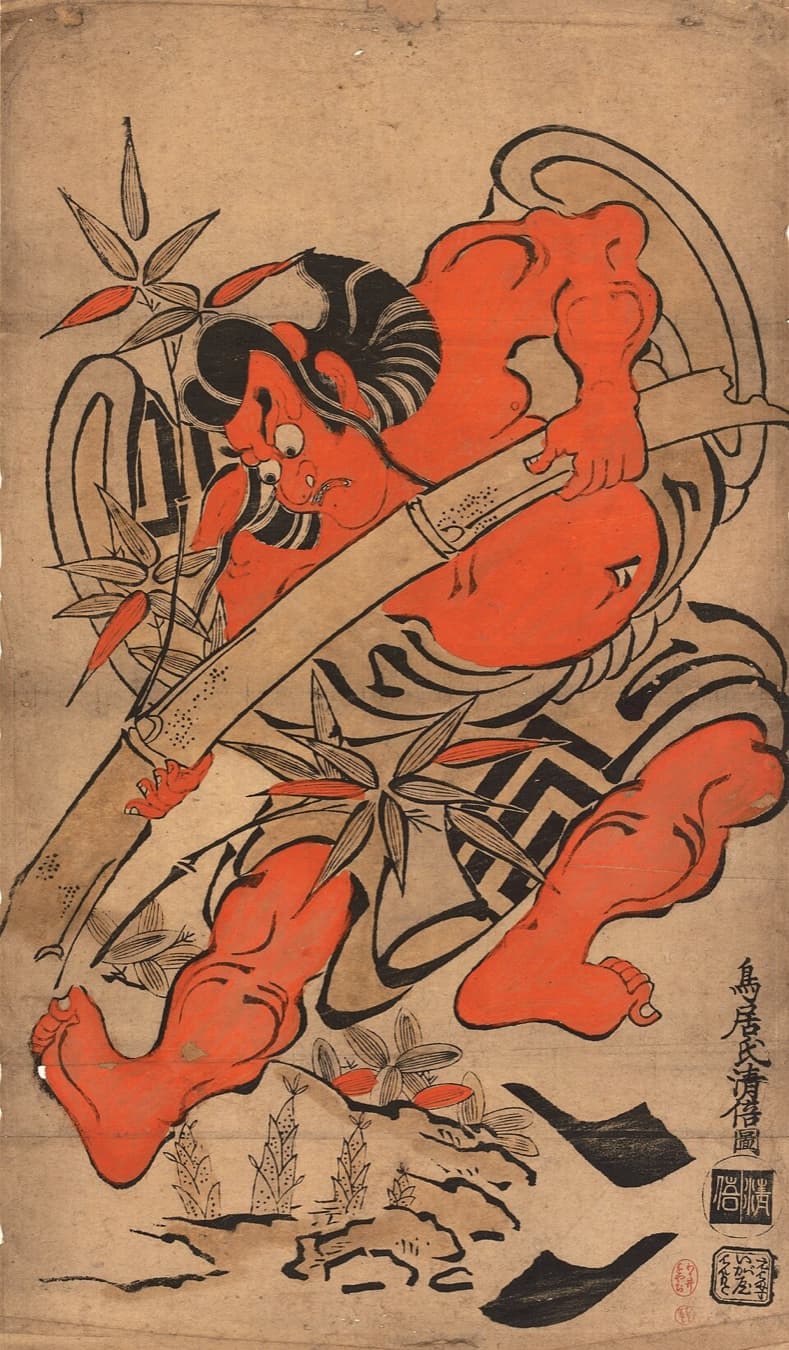 IIchikawa Danjūrō I1673–1704
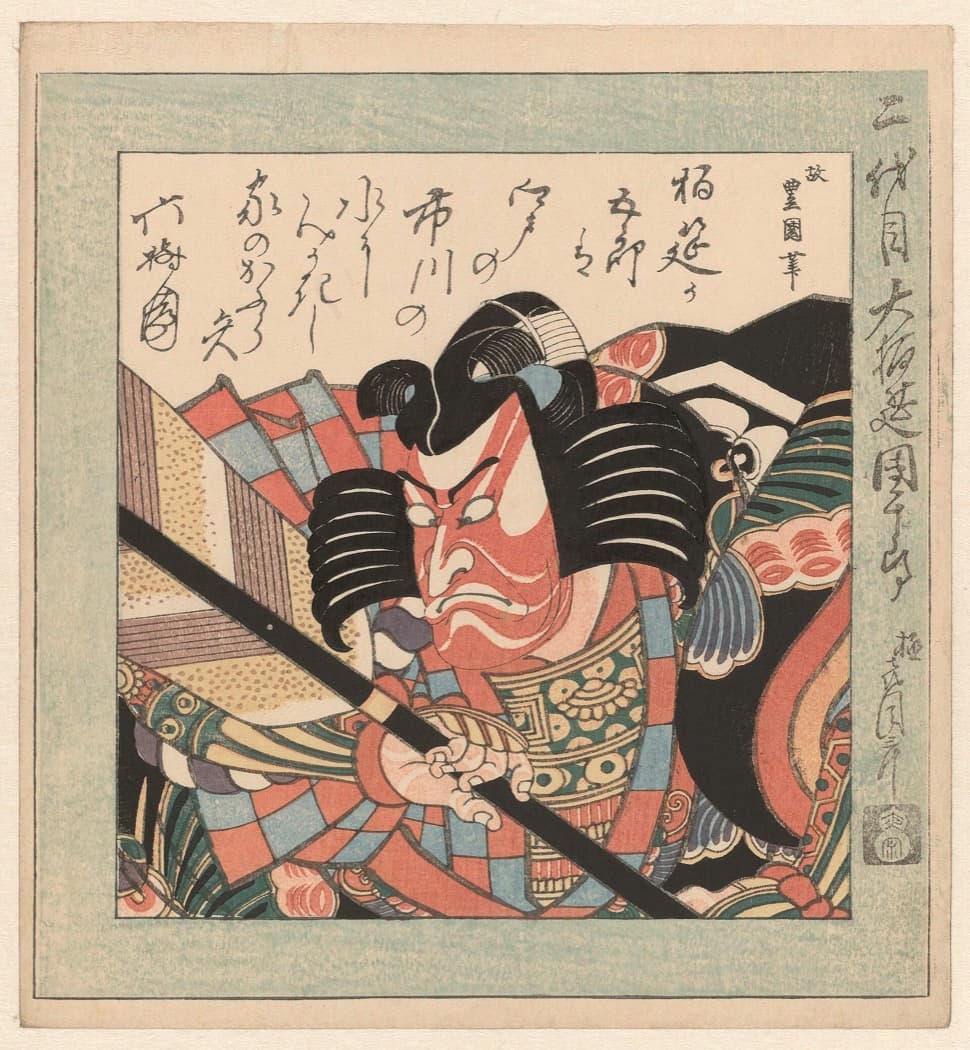 IIIchikawa Danjūrō II1704–1735
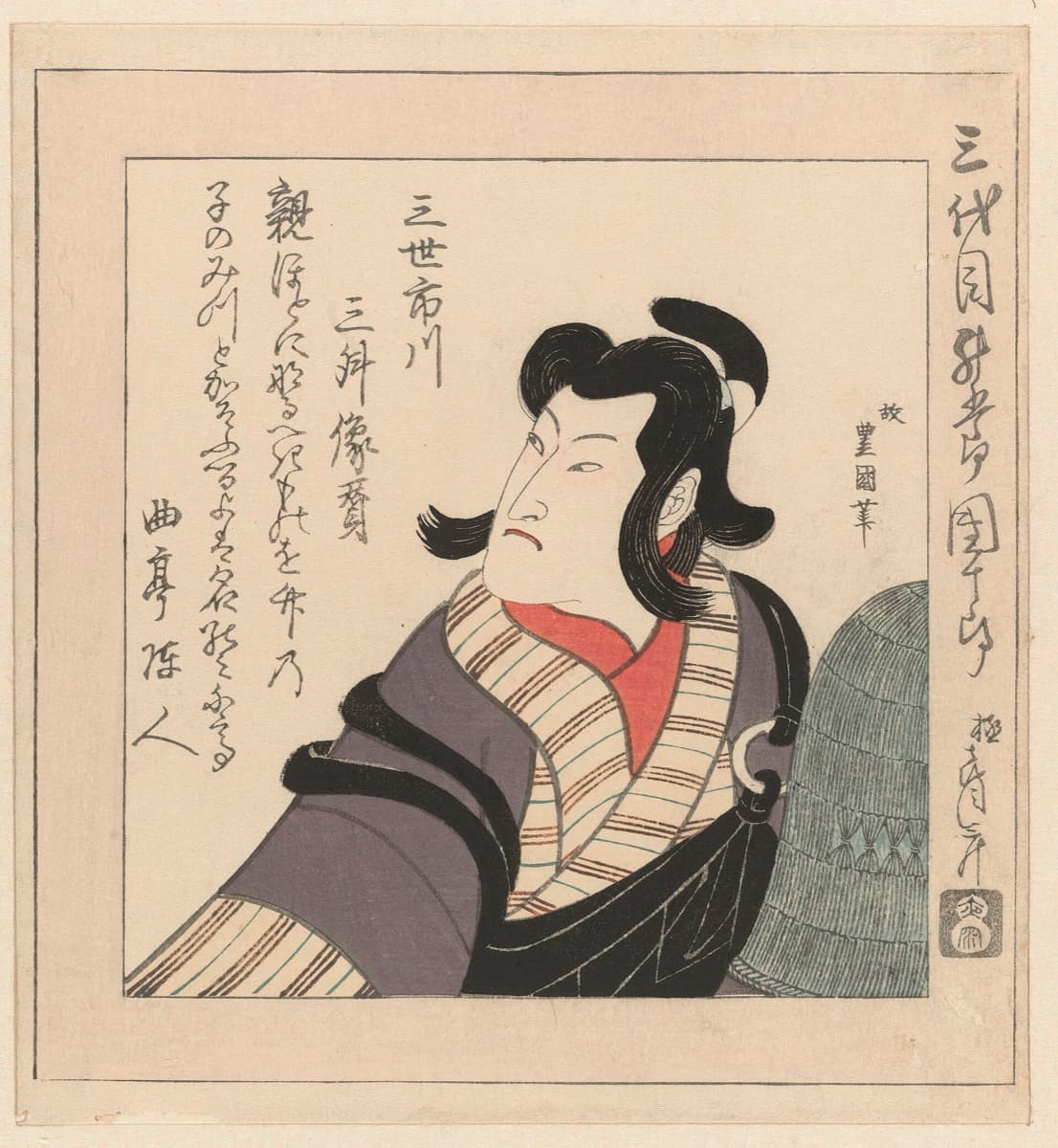 IIIIchikawa Danjūrō III1735–1742
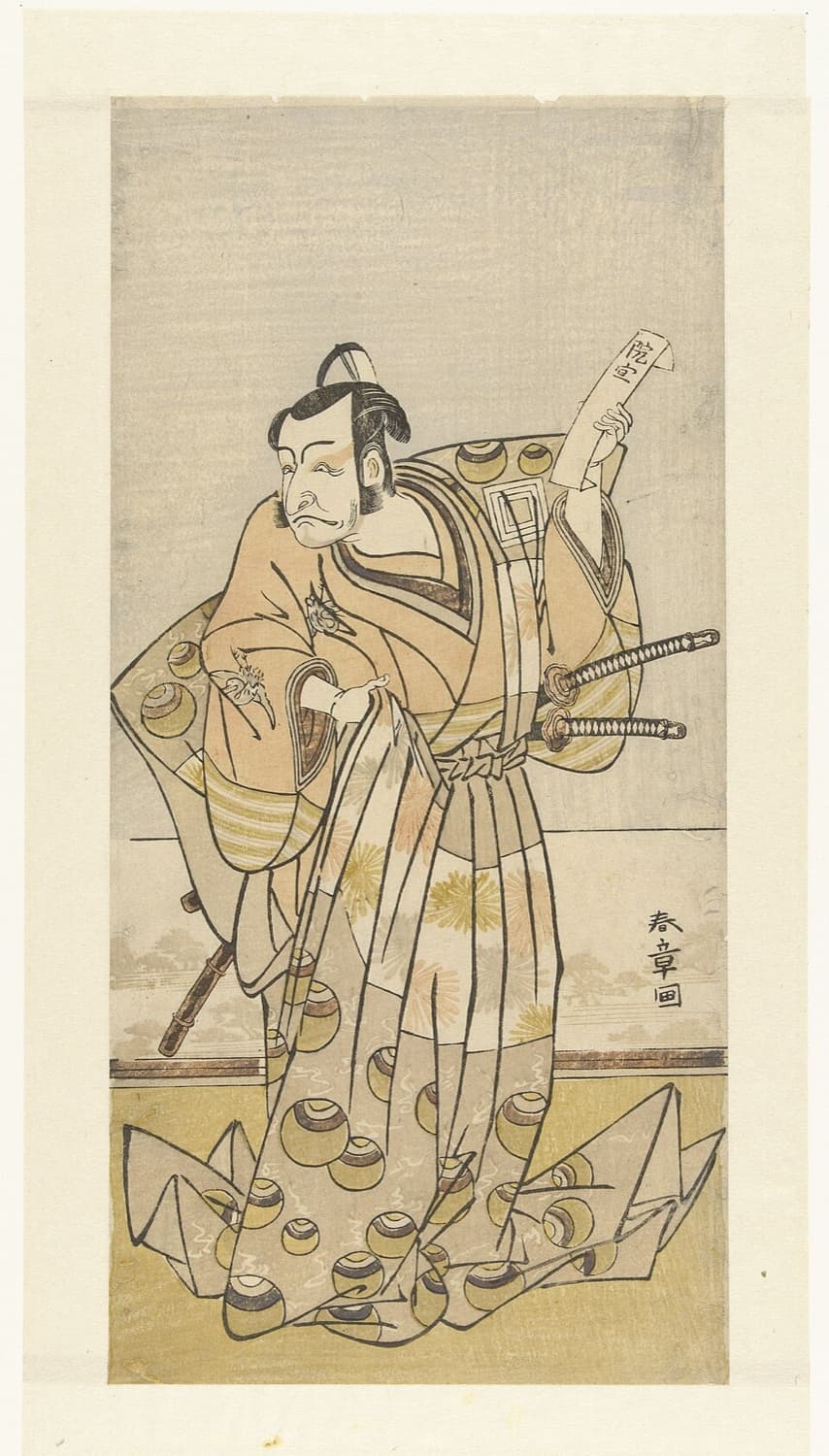 IVIchikawa Danjūrō IV1754–1770
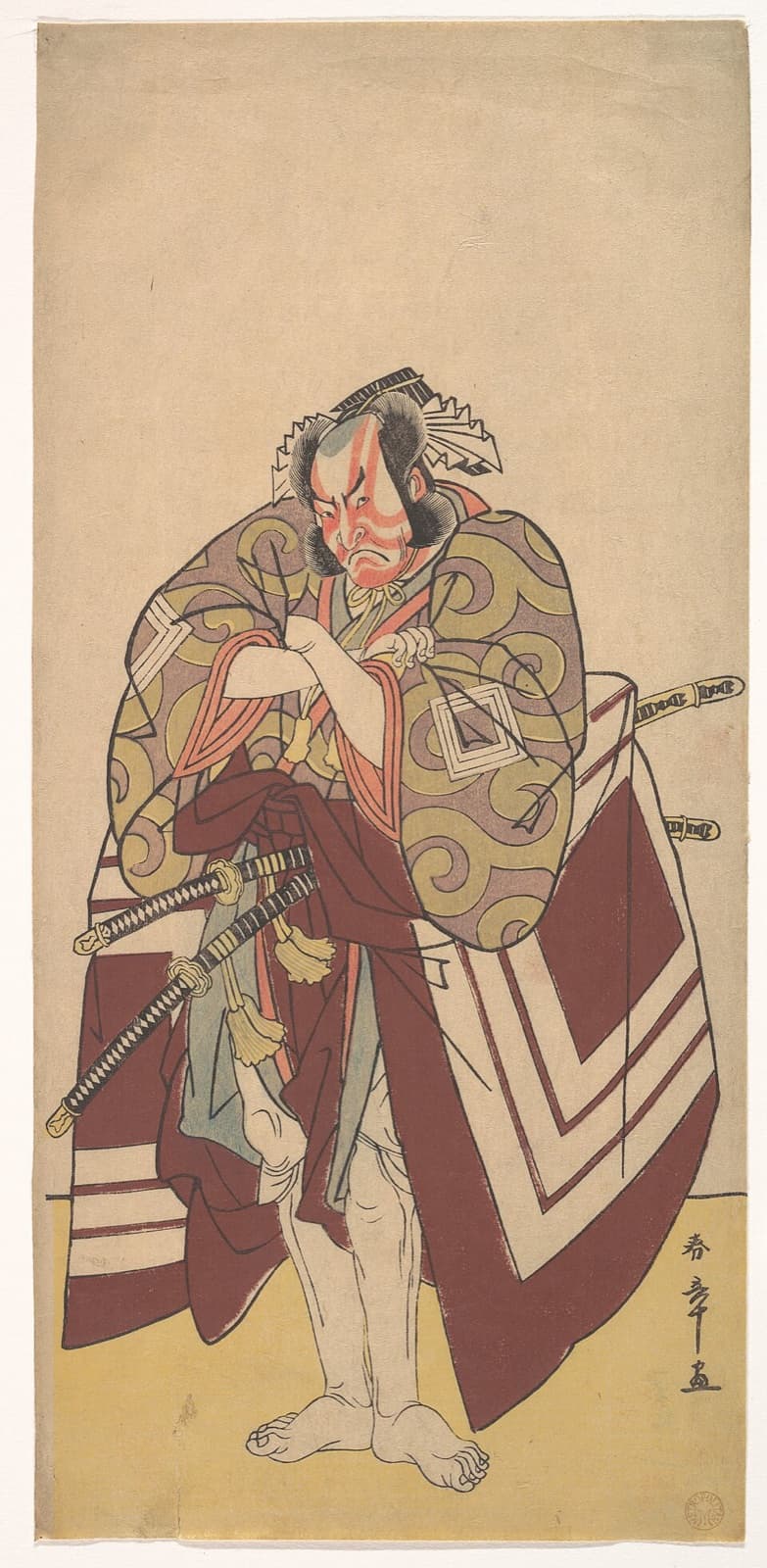 VIchikawa Danjūrō V1770–1791
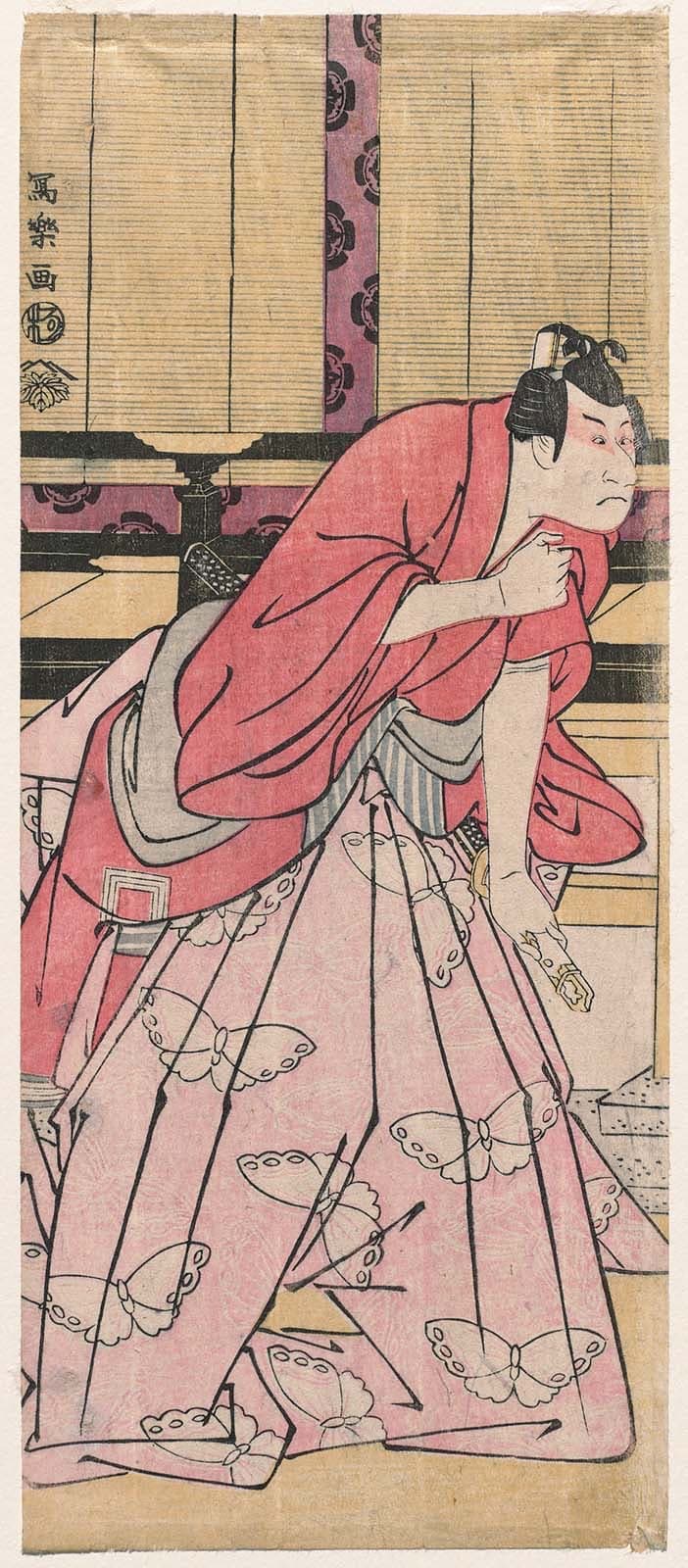 VIIchikawa Danjūrō VI1791–1799
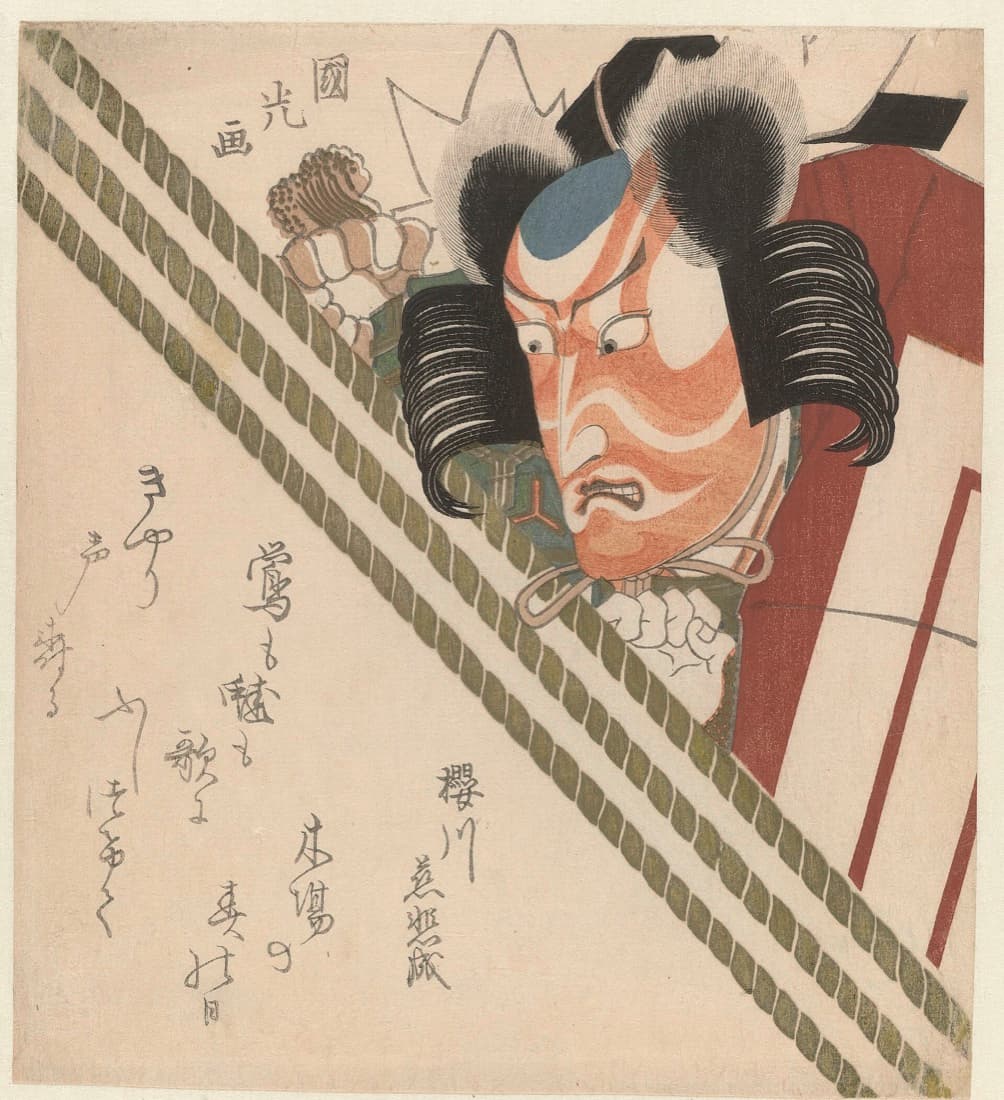 VIIIchikawa Danjūrō VII1800–1832
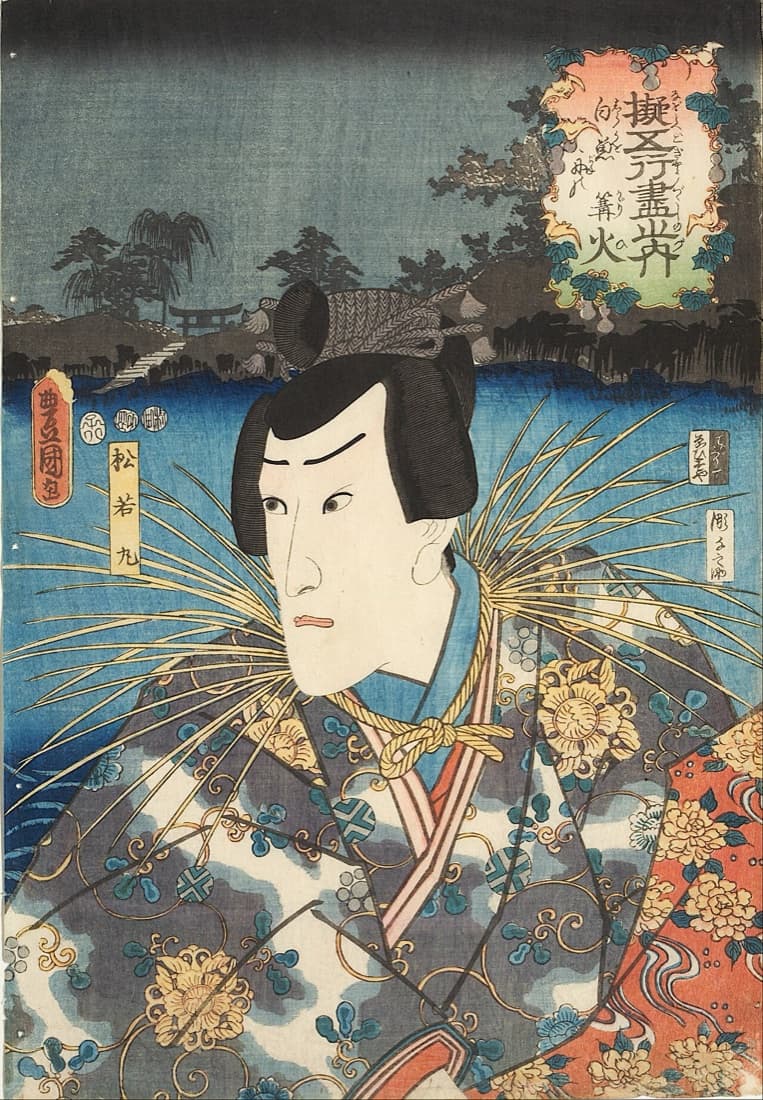 VIIIIchikawa Danjūrō VIII1832–1854
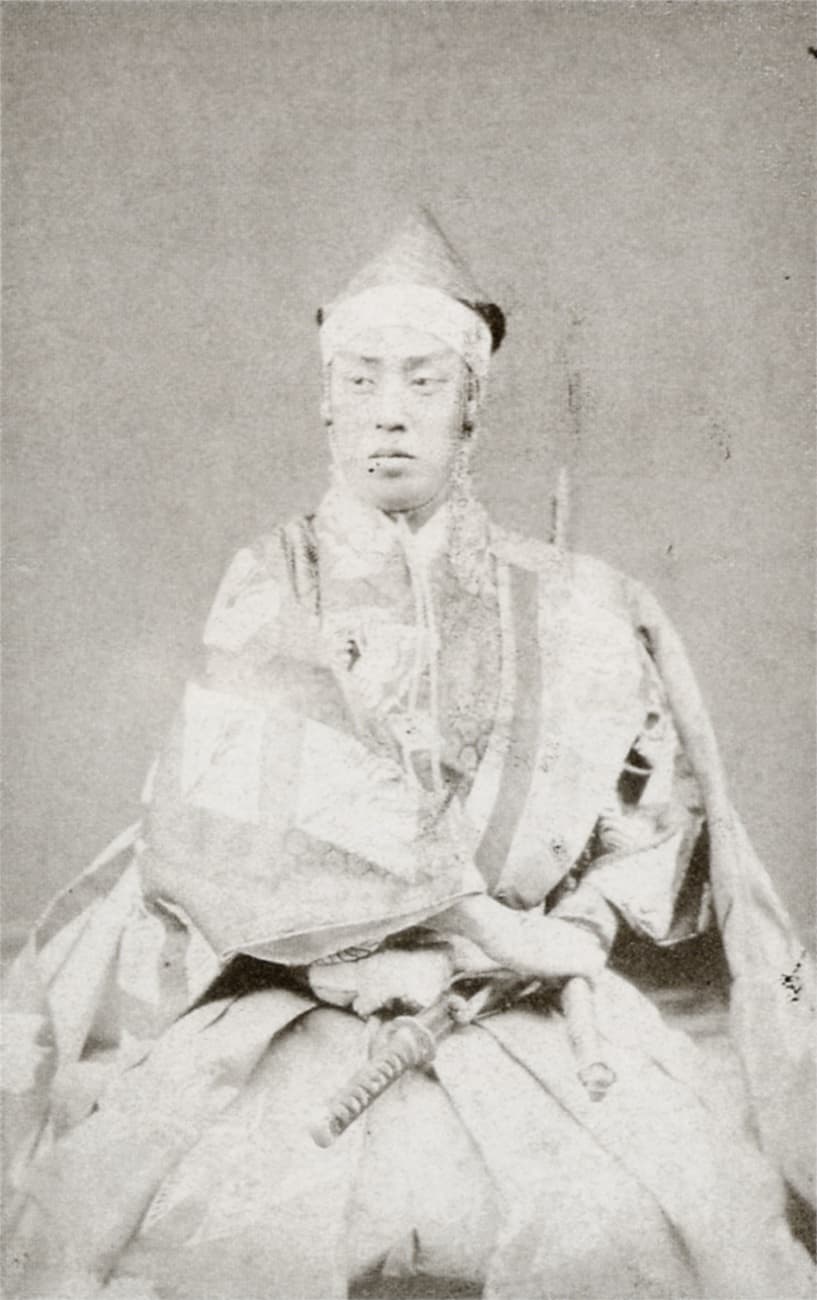 IXIchikawa Danjūrō IX1874–1903
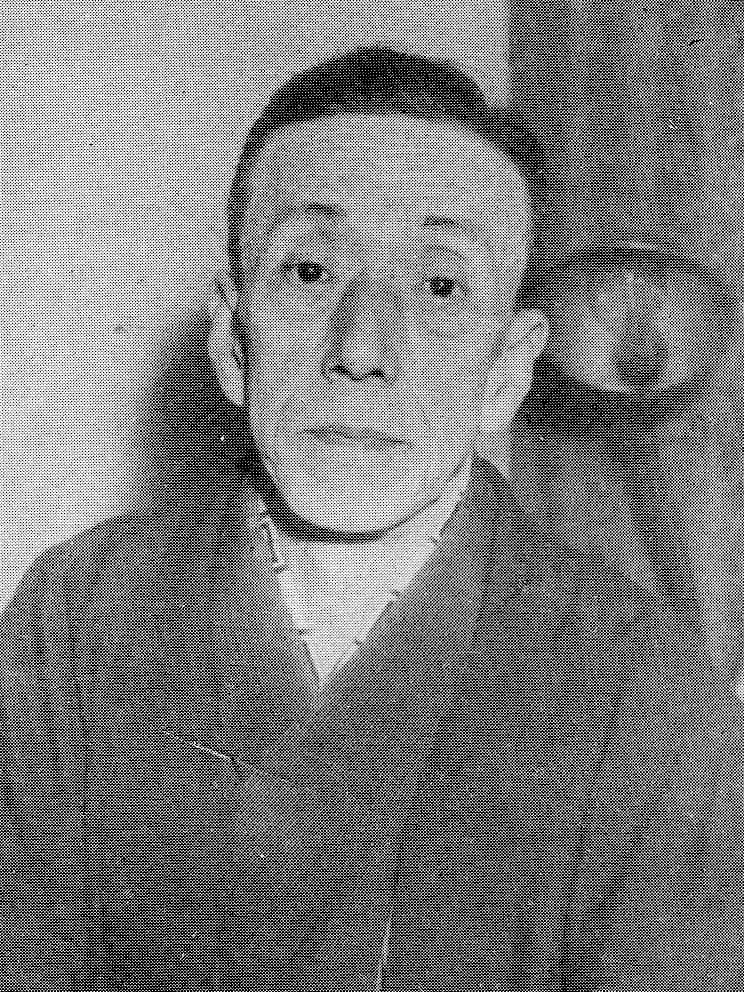 XIchikawa Danjūrō X(posthumous)
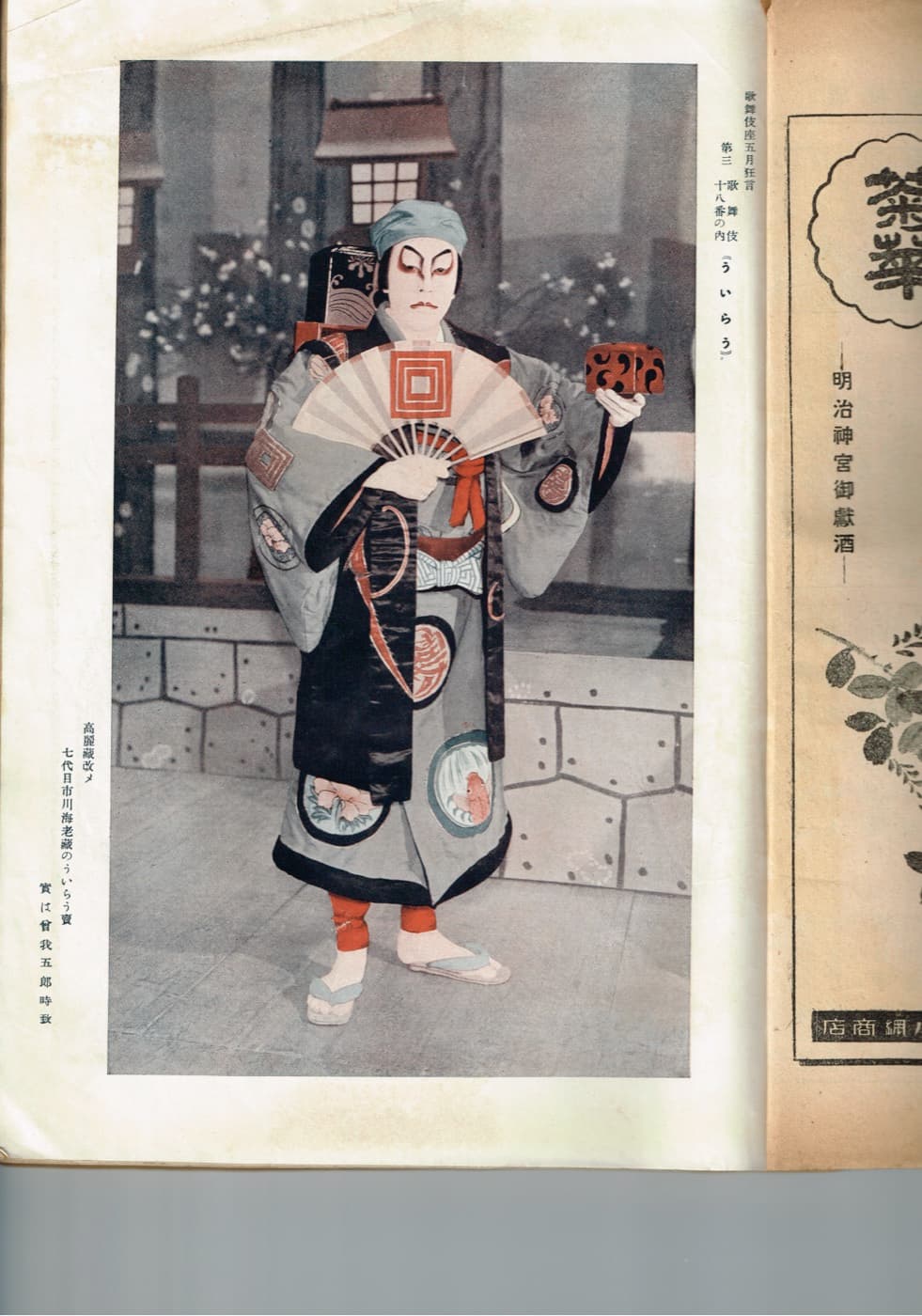 XIIchikawa Danjūrō XI1962–1965
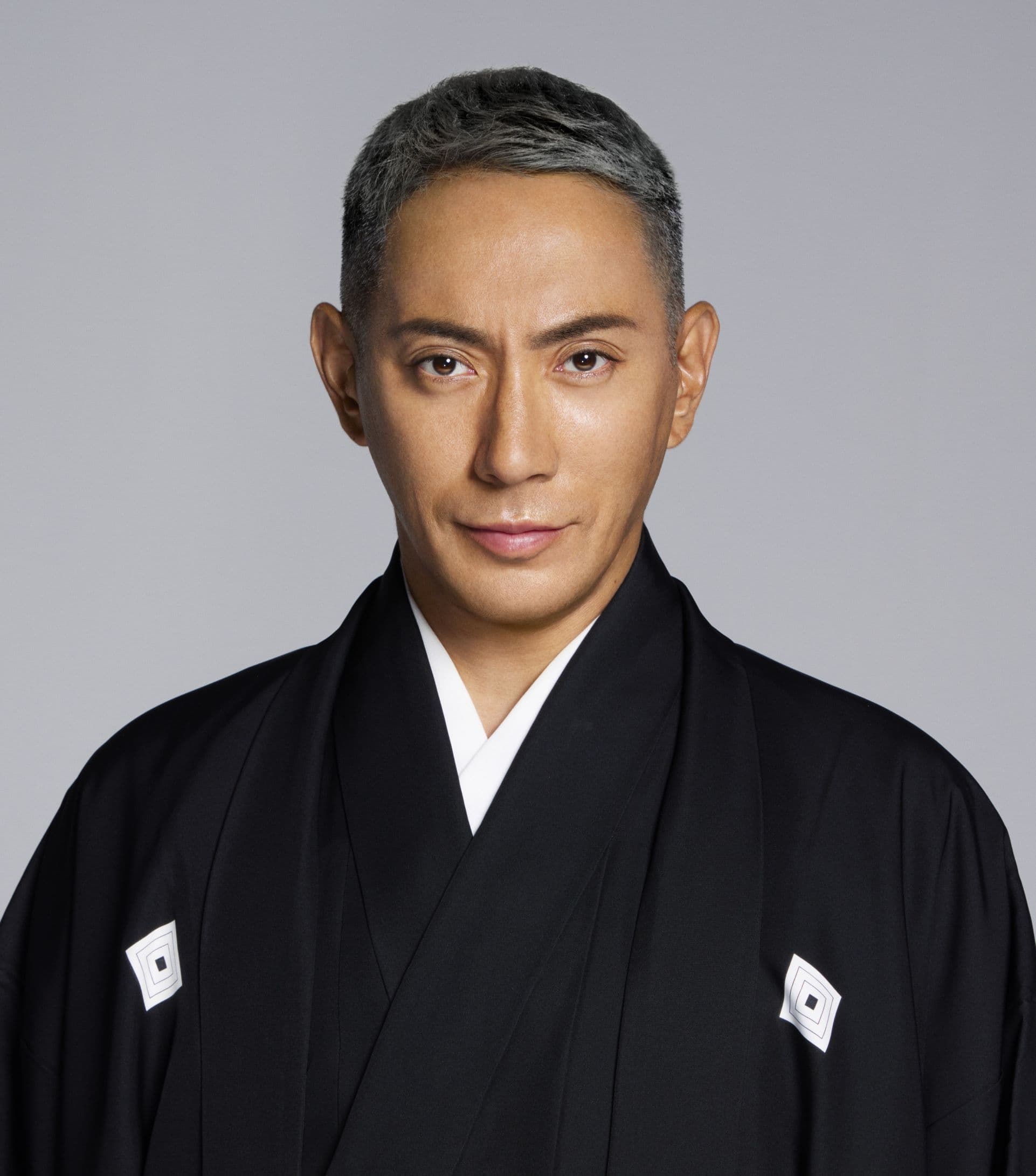 XIIIIchikawa Danjūrō XIII, Hakuen2022–
歌舞伎を、世界共通言語へ。
KABUKI, A LANGUAGE FOR THE WORLD.