
歌舞伎D-13

THE LIVING LANGUAGE OF KABUKI

KABUKI,A LANGUAGEFOR THE WORLD.

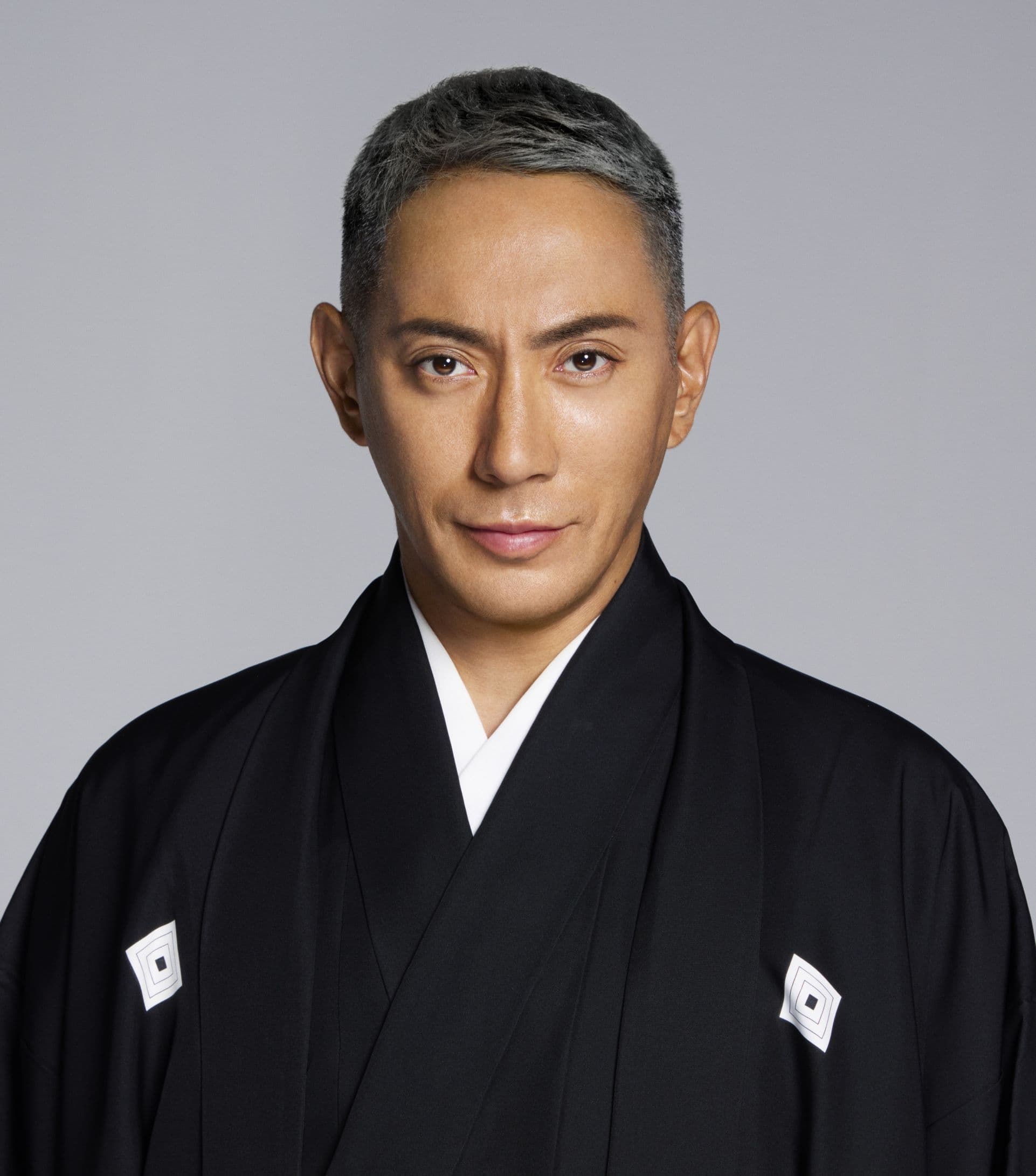
An entrance to kabuki, opened with Ichikawa Danjūrō XIII.
Learn. Watch. Pass it on.

02PURPOSE

Kabuki must not belong only to those who already know it.

Four hundred years of wisdom, translated into words for today — and handed on to the world for the next hundred.

400 years behind us.
The next 100 ahead.

The Ichikawa Sōke

Why the Danjūrō family is called Ichikawa Sōke.

Kabuki has many families, each inheriting its own art and its own names. Among them, Naritaya — the Ichikawa Danjūrō family — has long been called the Ichikawa Sōke. Why?

Thirteen Danjūrō. Thirteen ages.

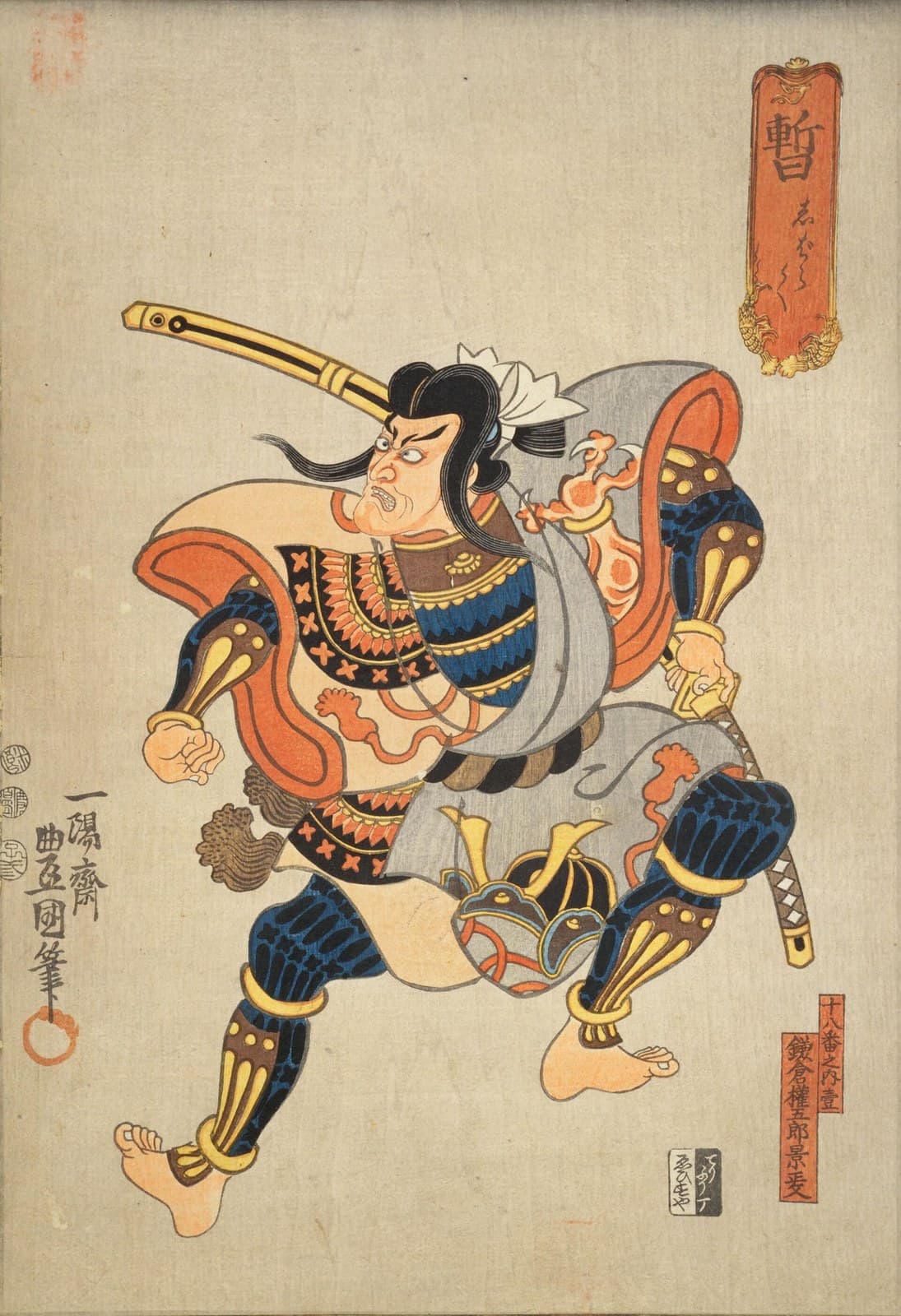
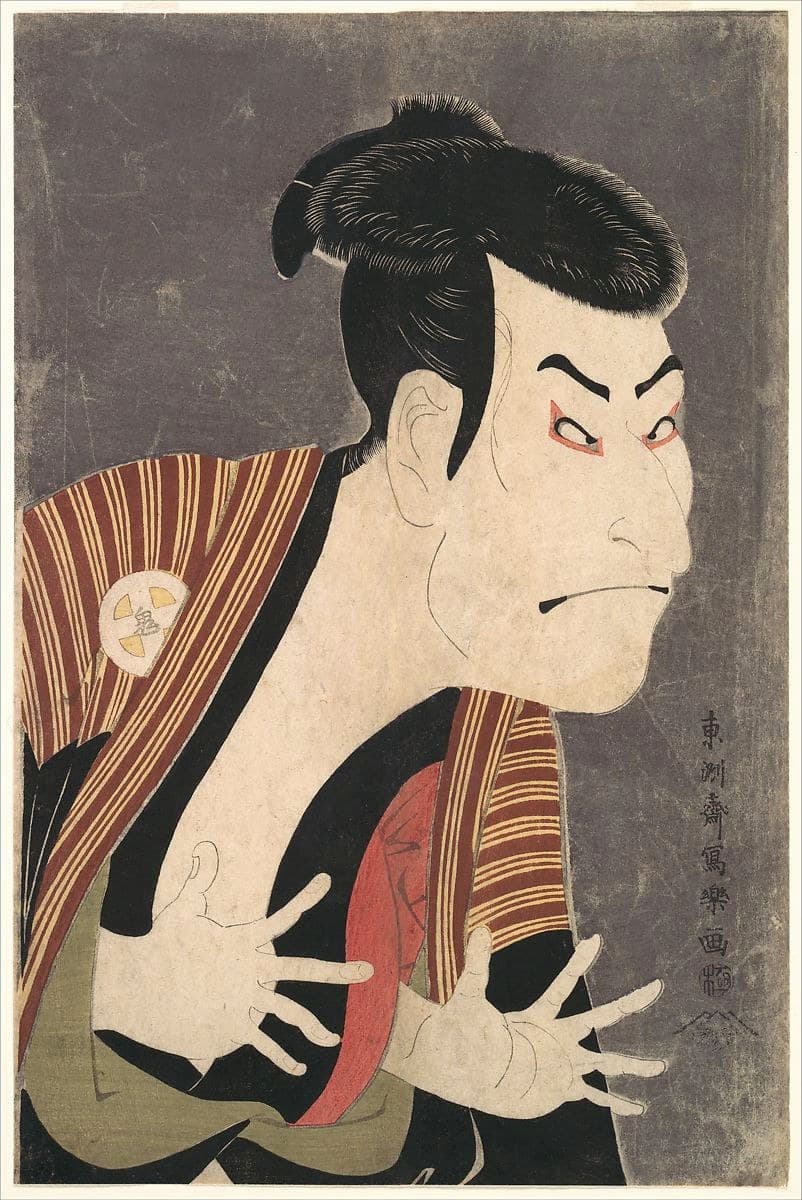
From the Edo of the Genroku era, where aragoto was born, to a Reiwa connected to the world. Follow what the Ichikawa Sōke has carried, generation beside age.

  1. IAragoto begins
  2. VIIThe Eighteen
  3. IXThe Sōke established
  4. XIIIToday, and outward
Yagō (house name)
Naritaya
The family art
Aragoto
Signature repertoire
Kabuki Jūhachiban
04NOW / NEXT

Now, and next on stage.

Upcoming performances and events in date order. Anything not yet confirmed is clearly marked.

SEP 4 – SEP 5

2026

FilmTo be confirmed

Film "SHUMEI": Venice International Film Festival Screening

Venice, Italy

The film "SHUMEI" screens at the Venice International Film Festival. Shumei — the succession of a great stage name — steps in front of a global audience: a landmark moment in kabuki's journey beyond Japan.

Whether Danjūrō himself will attend or appear on stage in Venice is still being confirmed with official sources.

SEP 20

2026

Project

ABMORI in Kiso

Kiso, Nagano

"Forests and artistry, handed on to the future." ABMORI, a project that joins nature and culture in one act of inheritance, takes place in Kiso, Nagano.

SEP 25

2026

Film

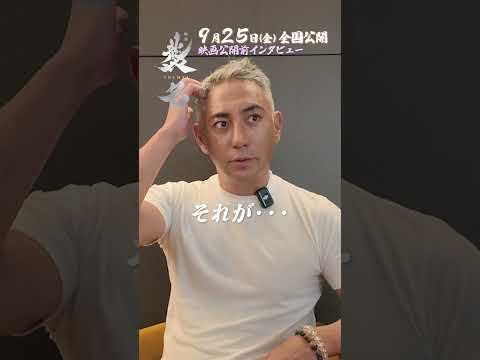
Film "SHUMEI": Nationwide Release in Japan

Nationwide (Japan)

The film "SHUMEI" opens in cinemas across Japan. What does it mean to inherit a name? Where does tradition end and the individual begin? The questions at the heart of kabuki, on the big screen.

06FEATURE — FILM SHUMEI

The Film SHUMEI

One name, handed on. A film that carries shūmei — the act of succession at the heart of kabuki — to the cinema screen. No spoilers here: only doors to walk through before you watch.

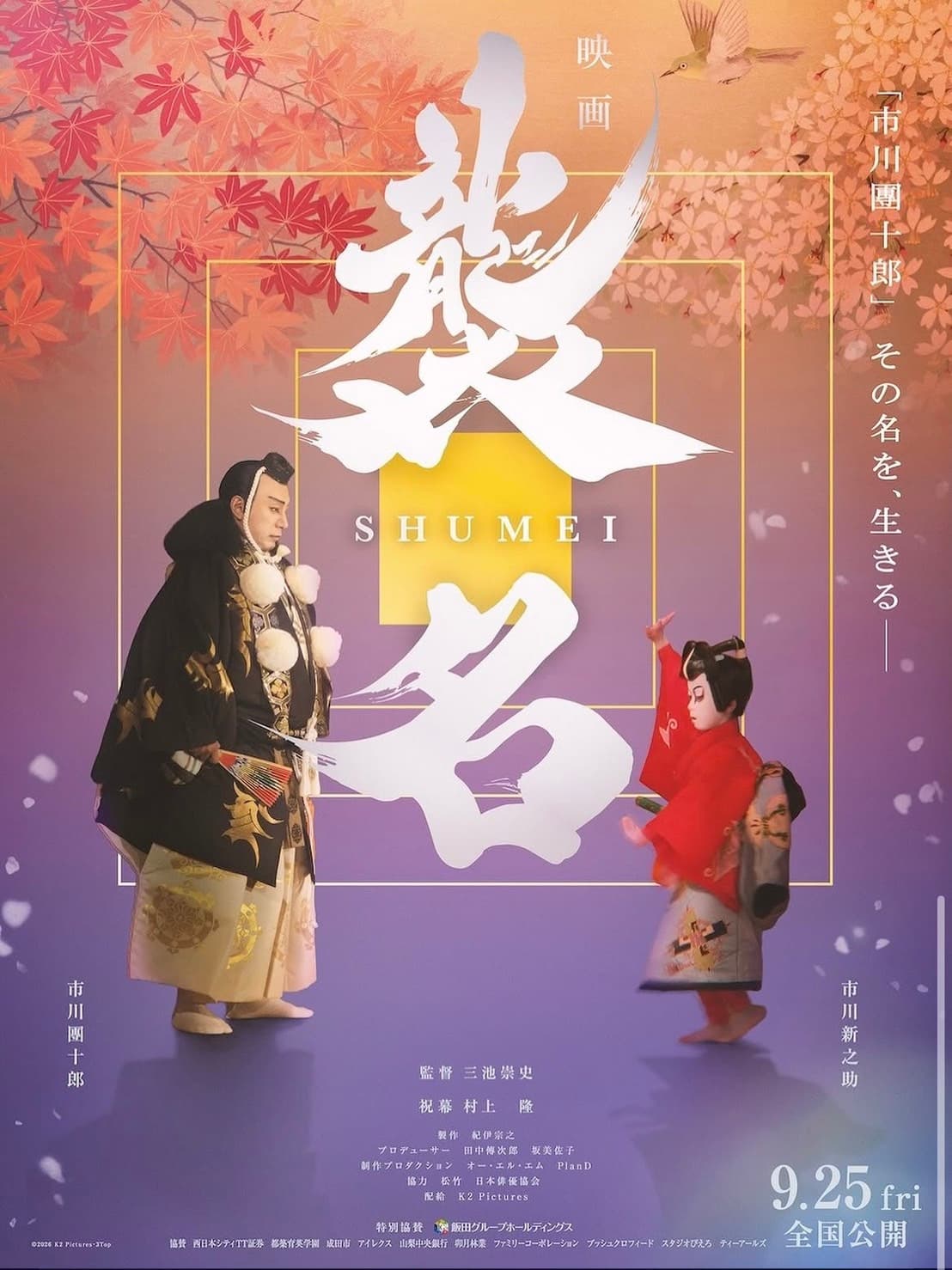
Official poster for the film SHUMEI — in cinemas from 25 September
Official poster (dir. Takashi Miike / curtain by Takashi Murakami / K2 Pictures)
07D-13 JOURNAL

A new guide to kabuki, beginning with questions.

From plays, from words, from film — articles by the D-13 editorial team, keeping fact and interpretation clearly apart.

Learning from Plays5 min read

Kanjinchō for Absolute Beginners: Three Ways In

Kanjinchō is the story of a fugitive lord, his loyal retainer Benkei, and a barrier keeper who sees through their disguise — and lets them pass anyway. You do not need to know the full plot. Three doorways — Benkei's lie, Togashi's silence, and the leaping exit called tobi-roppō — are enough to enjoy it fully, even on your first visit.

Film SHUMEI5 min read

Three Words to Know Before Watching the Film SHUMEI

Three Japanese words unlock the film SHUMEI: shūmei (name succession), myōseki (a hereditary stage name), and Naritaya (the 'house name' of the Ichikawa Danjūrō line). Five minutes with these three ideas, and what happens on screen will carry a completely different weight.

Film SHUMEI6 min read

Shūmei: Is It Just Inheriting a Name?

As a system, shūmei is simple to define: an actor takes over a predecessor's name and performs under it. But a hereditary name carries generations of artistry, signature roles and audience memory. This article thinks through the question — keeping verifiable fact and editorial interpretation clearly separate.

Learning from Plays6 min read

Aragoto: The Stylised Power Born in Edo

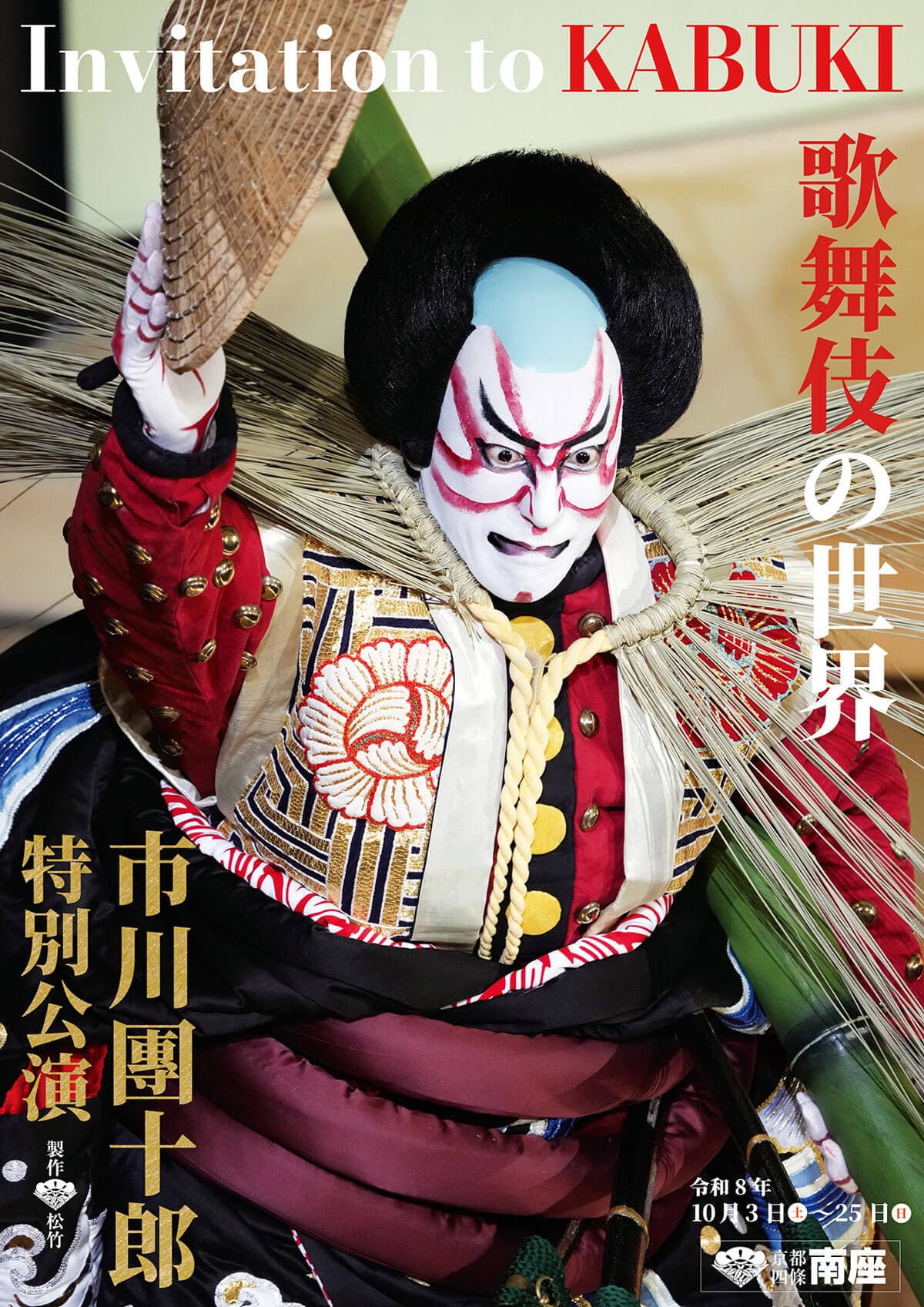
Aragoto — literally 'wild business' — is the bravura acting style born in Edo kabuki. Bold kumadori face paint, exaggerated costumes, thunderous mie poses: its wildness is not violence but a refined aesthetic of power that drives evil away. Credited to the first Ichikawa Danjūrō, it remains the core of the Ichikawa Sōke's art today.

Theatre Guide6 min read

Your First Visit to the Minamiza: A Kyoto Kabuki Guide

The Minamiza stands at the foot of Shijō Bridge in Kyoto, closest of all theatres to the riverbank where kabuki is said to have been born. Access, tickets, dress code, what to do at the interval — this guide gathers everything first-timers wonder about, ahead of the Ichikawa Danjūrō Special Performances in October 2026.

Learning from Plays5 min read

'Shiganē koi no nasake ga ada': One Famous Line as a Door into Edo Style

A great kabuki line stays in the ear even before you grasp every word. 'Shiganē koi no nasake ga ada' — the opening of Yosaburō's famous speech in Yowa Nasake Ukina no Yokogushi — is the classic example. Let its seven-five rhythm be your doorway into Edo chic, and into this play.

08WATCH / VOICE

Words spoken once, kept for good.

Each conversation is kept in three forms — video, voice, and article — and every video and audio piece carries a full transcript.

Watch

Voice from D-13

In preparation1–2 min

Before the Curtain Rises

Theme: A one-to-two-minute frame for words recorded in the dressing room before a performance — what passes through his mind as curtain time approaches. Recording will follow the performance schedule; a full transcript will accompany publication.

A full transcript will be published together with the video.

In preparation1–2 min

Notes from the Road

Theme: A frame for short recordings made while travelling — thoughts that surface on the road, discoveries in each town, kept in his own voice on the spot. Following our 'record when we can' principle, five spare minutes in transit become the studio.

A full transcript will be published together with the video.

YouTubeKABUKU. / 市川團十郎。@ebizotv5033
09ART / EXHIBITIONS

What the body leaves behind, outside the theatre.

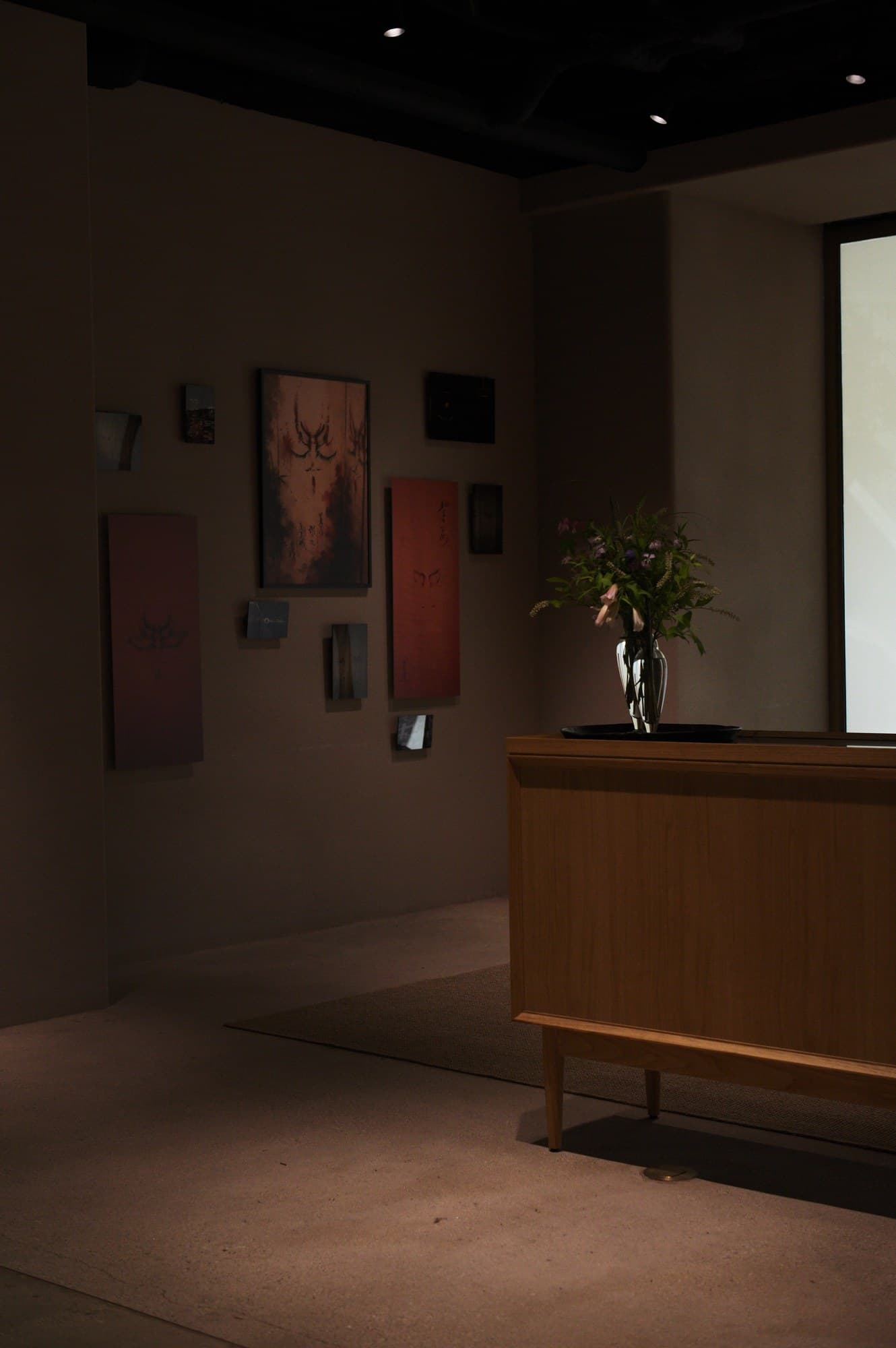
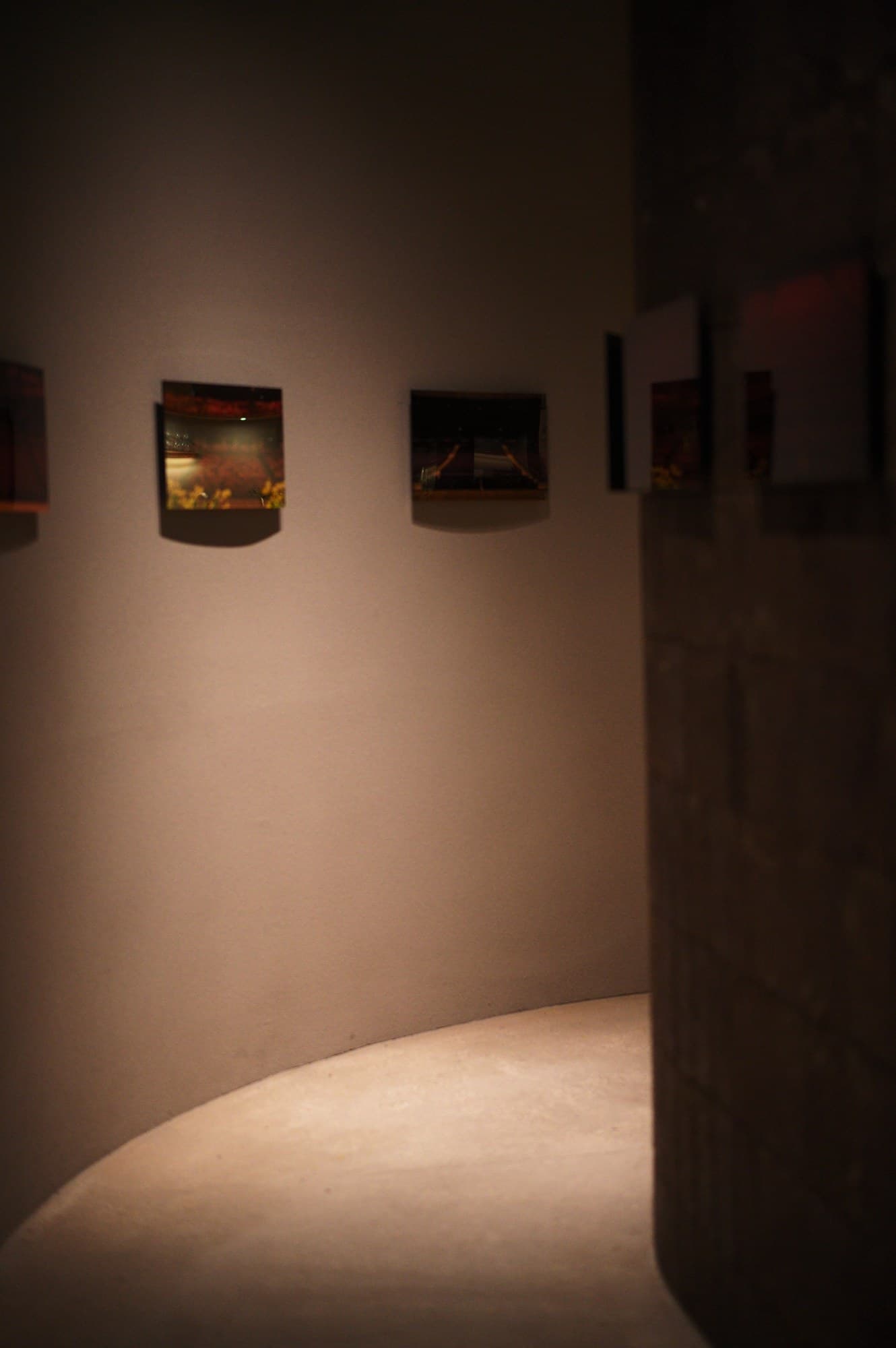
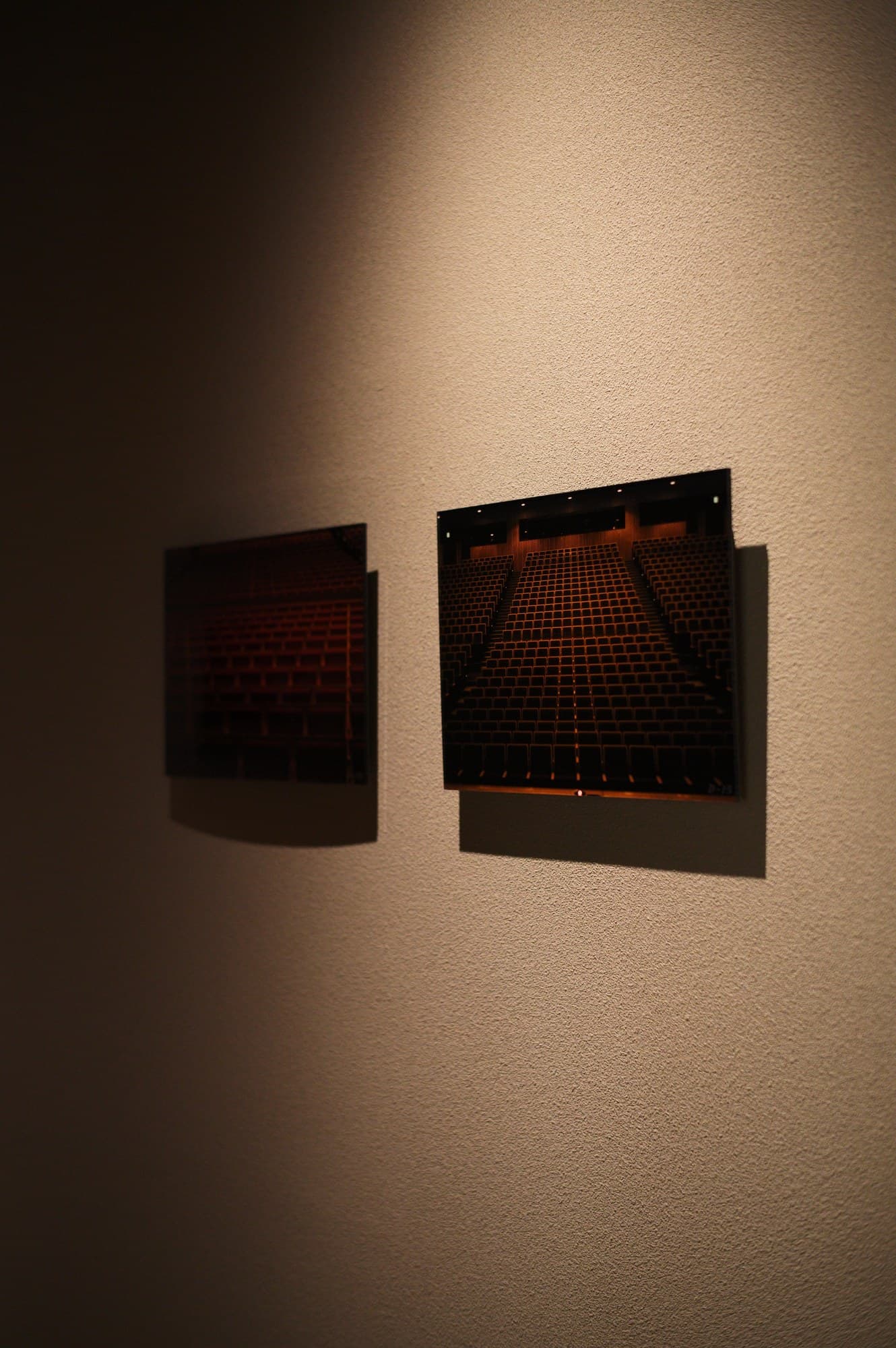
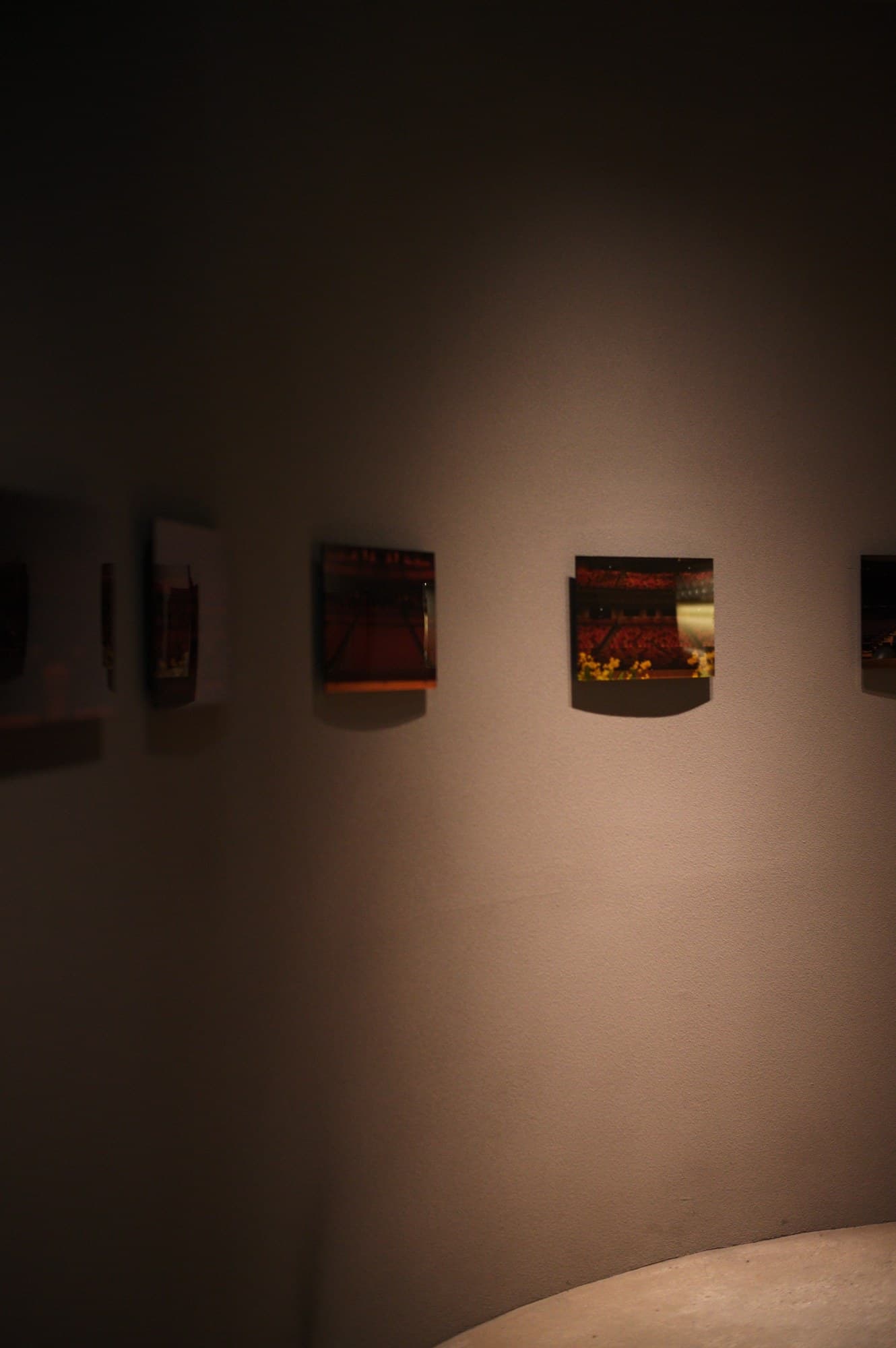
Why photograph an empty theatre?

What does a day leave behind in an oshiguma?

Editorial note

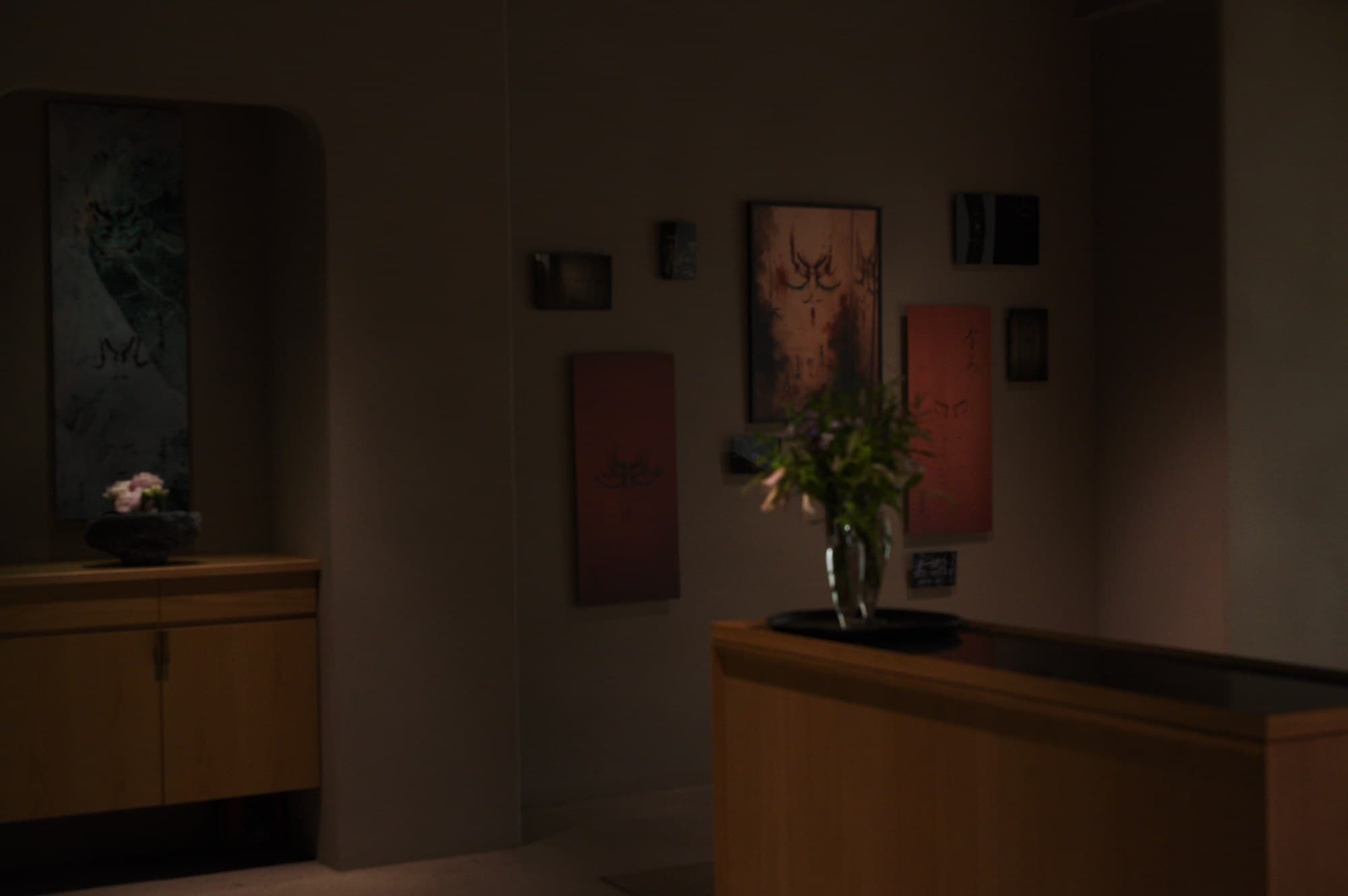
An oshiguma is a print of an actor's kumadori make-up, pressed onto cloth or paper after a performance — a single trace that only that day's body, in that day's role, could leave. A photograph of an empty theatre reads, to our editors, like a record of the stillness before the curtain opens. His own answers to these questions will be published after they are recorded and confirmed.

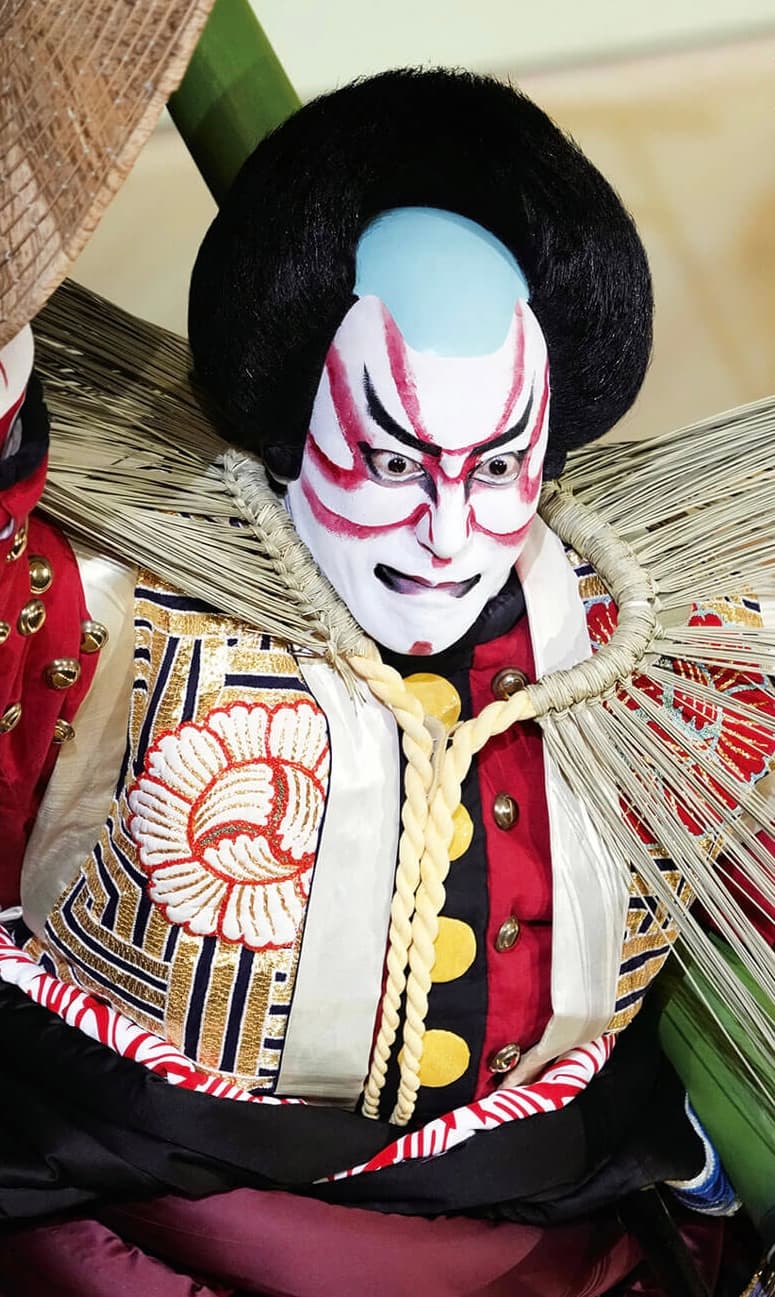
Ichikawa Danjūrō in an aragoto role with kumadori make-up
A stage photograph in a white-maned role
In his own wordsIn preparation

This space is reserved for Danjūrō's own words, published only after recording and his confirmation.

  • Next exhibitionIn preparation
  • Fukuoka Solo Exhibition — Archive

    Records and artwork commentary are being prepared for publication.

10PROJECTS

Culture, made something you can join.

Forests and artistry, festivals and stages — the cultural projects D-13 pursues together with its companions.

ABMORI — FOREST & ART

Active

ABMORI

Handing on forests and art alike.

ONE EMOTION. ONE POSE. ONE STORY.

Active

KABUKI Emotions

In seven seconds, emotion crosses borders.

WORLD TRADITIONS IN DIALOGUE

Future vision

Dialogues with World Traditions

Traditions meeting traditions, anew.

This project is at the concept stage. Timing and content are not yet confirmed.

FUTURE BON ODORI

Future vision

Bon Odori of the Future

From watching to dancing together.

Not a confirmed event. The whole roadmap, including years, is a concept awaiting formal approval.

KATARIBE — STORYTELLERS

Future vision

Storyteller Programme

Fans not as consumers, but as carriers of culture.

At the concept stage. Content and timing are undecided.

11GLOBAL

Beyond words, into the heart of kabuki.

Articles and films, translated for the world.

Kabuki has
no border.

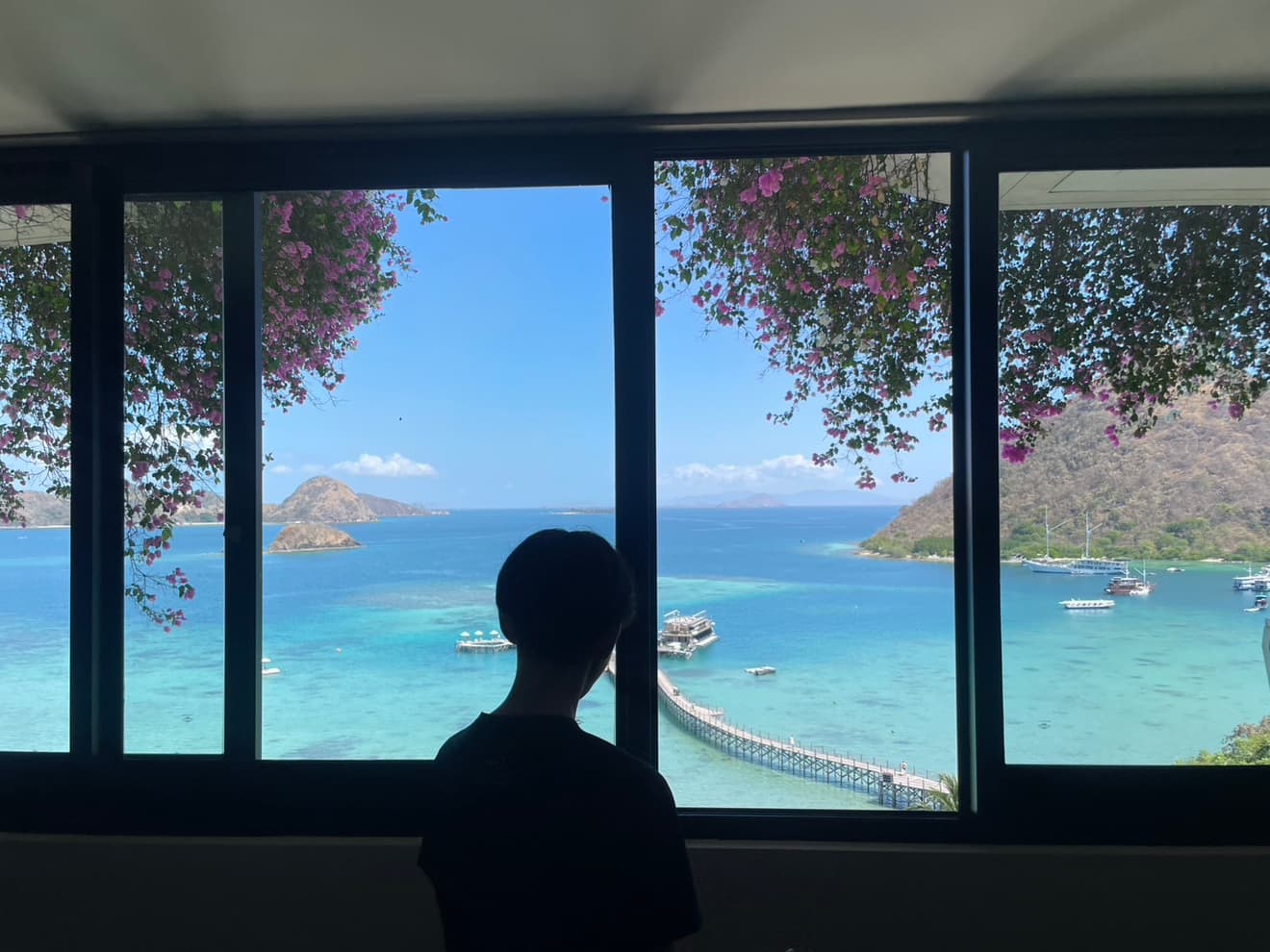
A silhouette gazing at the sea beyond the window
Toward the far shore
12To the Theatre

Learn, and you will want to watch.Watch, and you will want to tell.